Lounge Bar
LOCATION
Castellammare del Golfo (TP)
TOTAL AREA
70 sqm
CLIENT
Private Client
STATUS
Final project
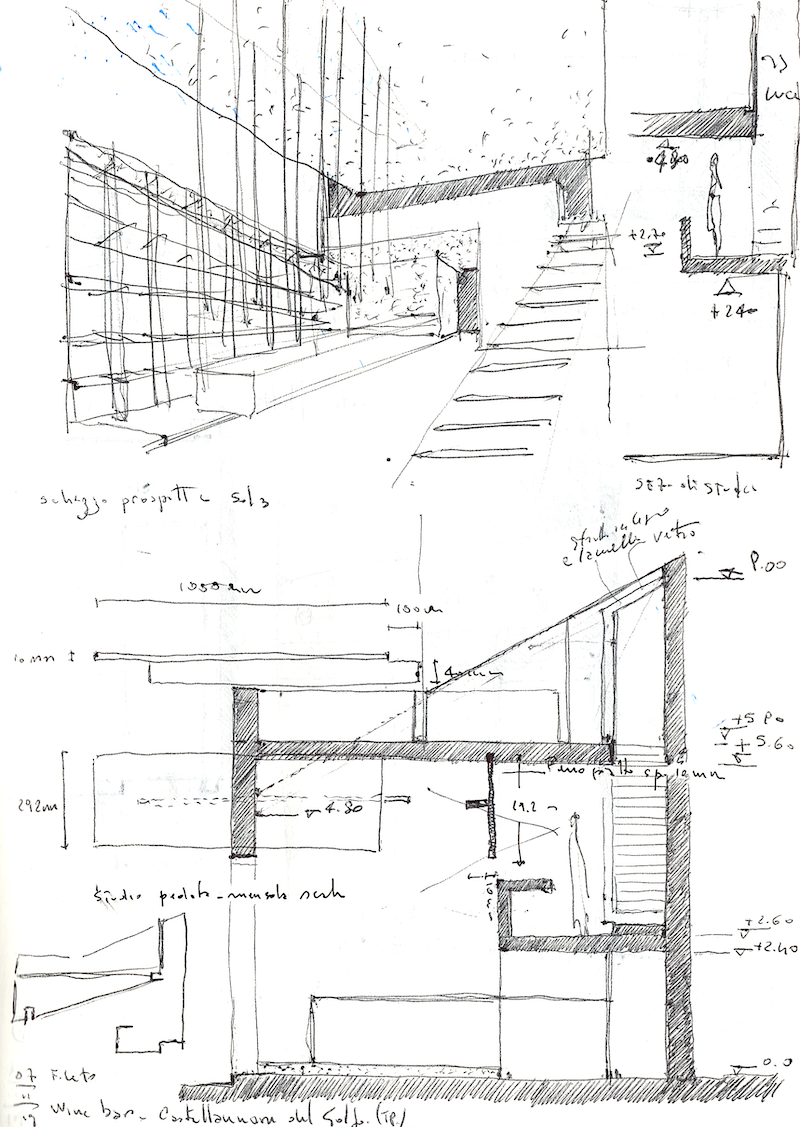
Given the extraordinary nature of the site — defined by its remarkable environmental and historical context, including the Temple of Segesta, the ancient Theatre and the wider archaeological area — the client sought an intervention capable of requalifying and re-establishing a portion of the territory.
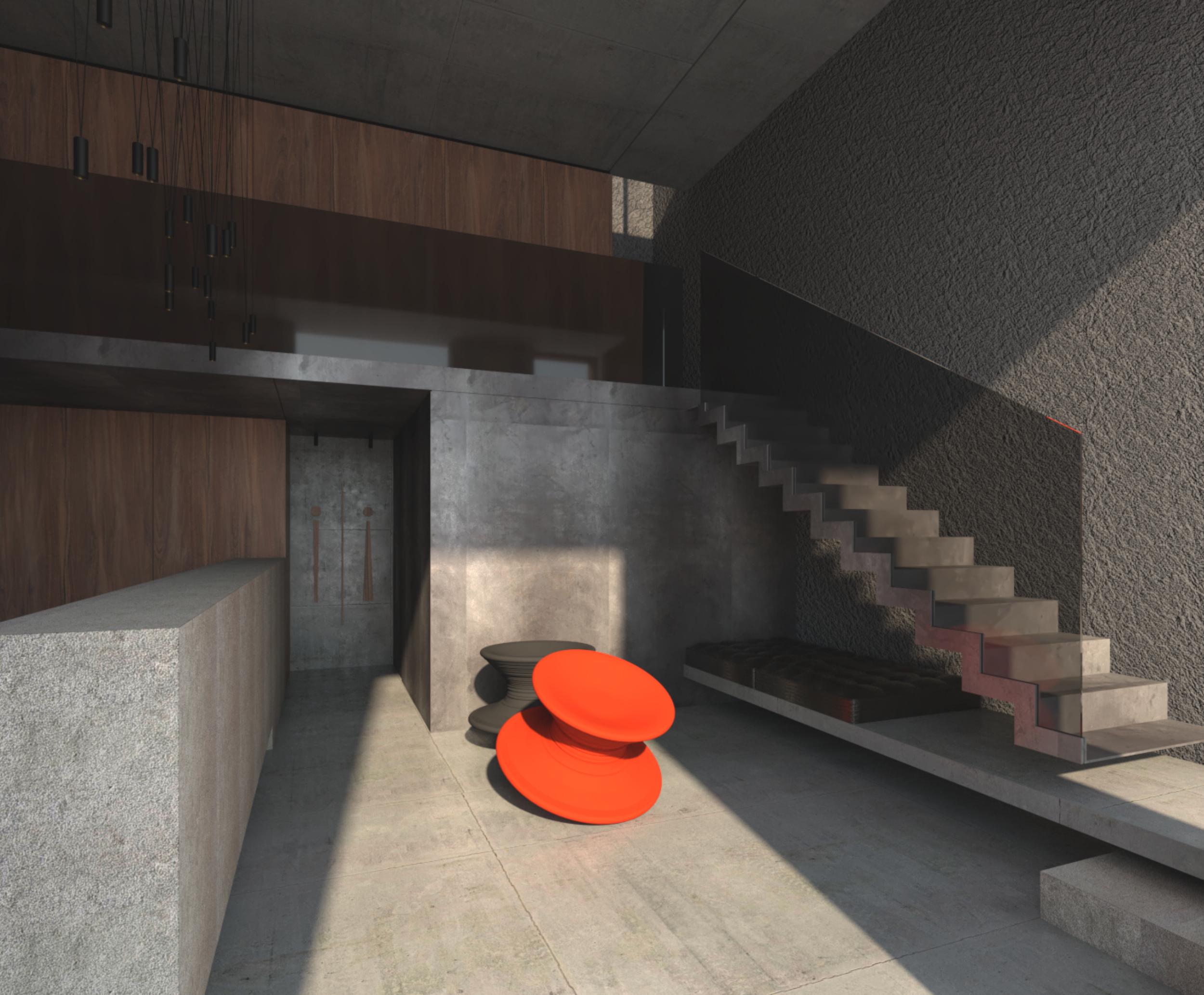
The design was conceived as a gesture rich in symbolic and figurative meaning, one that could stand out within the exceptional landscape while providing a new sense of order to a system of geographical and infrastructural traces that are otherwise fragmented and heterogeneous — in scale, rhythm, and degree of relationship with their surroundings, from the immediate to the distant.
The horizon of the sea, the vineyard, the mountain of the theatre, the temple, the curving ribbon of the SS113 road, and the undulating profile of the hills all became the project’s raw materials. Each element was reinterpreted to activate and reinforce the dialogue between the intervention and the landscape, making that relationship both tangible and alive.